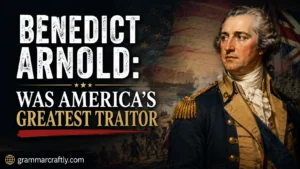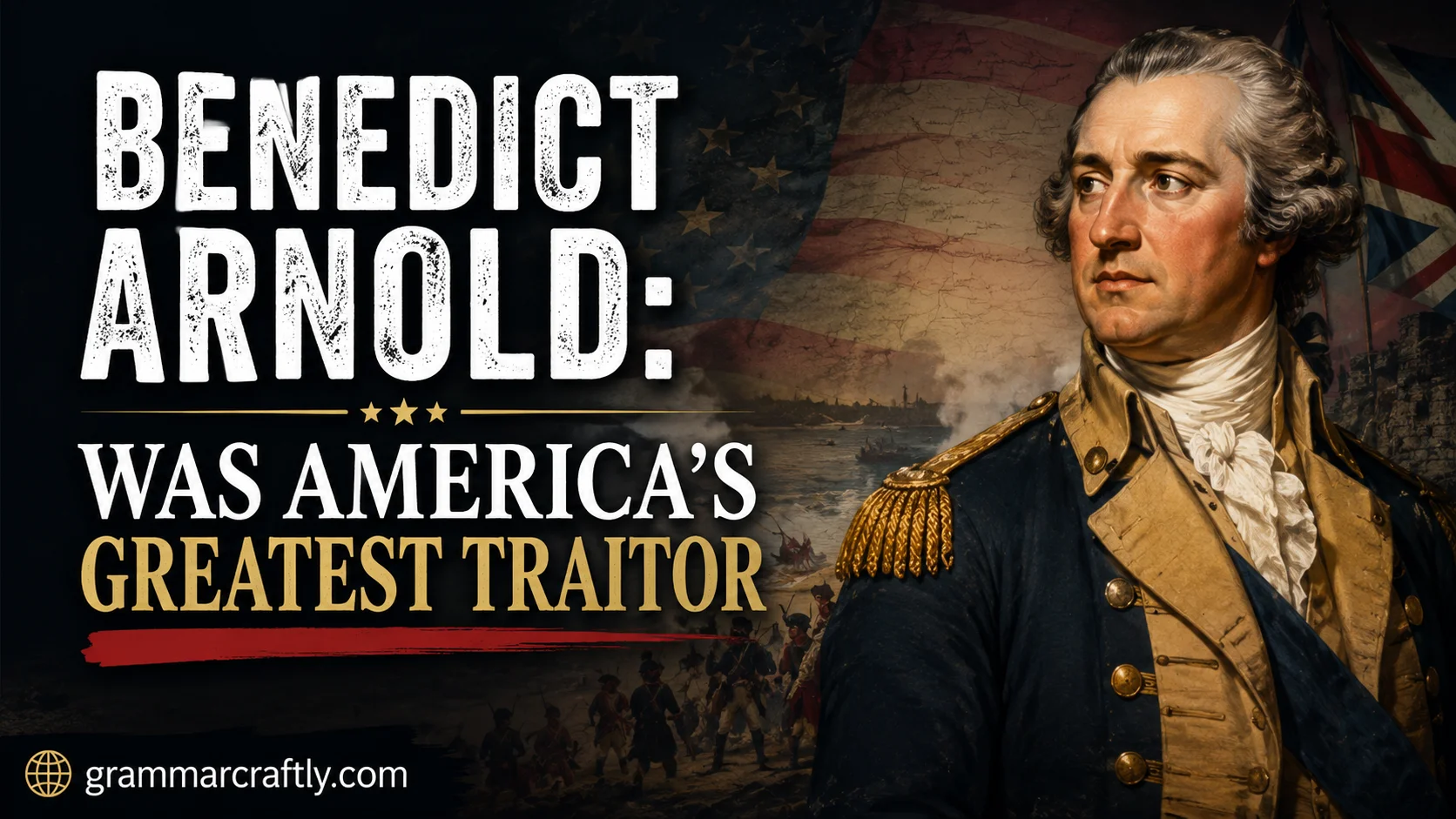
Benedict Arnold: Was America’s Greatest Traitor remains a powerful question in American history, as his name became synonymous with betrayal after more than two centuries.
His early biography, character, and military accomplishments reveal a more complex man. A public presentation at Western Town Library, with the Oneida Carry Research Group, examines his role in relieving the British siege of Fort Stanwix during the Revolutionary War, along with the Saratoga campaigns, Gen. George Washington, his valued officers, and his final days.
Before his infamous betrayal, Arnold was a courageous, talented military leader who helped the Continental Army secure important victories. His early American victories at Fort Ticonderoga and Saratoga, despite serious battlefield injuries and being severely wounded, showed his military genius and superior military skills. His admiration among fellow officers made him a respected war hero. Yet he spent his own money on military campaigns, while ambition, resentment, politics, financial hardship, personal pride, and a lack of recognition grew stronger. Born January 14, 1741, in Norwich, Connecticut, he later became the quintessential traitor, reviled as the ultimate turncoat, beset by debts, angry at officers who outranked him, and willing after a few short years to betray the great cause.
“Let’s dive in”
Who Was Benedict Arnold?
Benedict Arnold was an American military officer who served as a general during the early years of the American Revolutionary War before defecting to the British Army in 1780.
Benedict Arnold at a Glance
| Fact | Details |
| Full Name | Benedict Arnold |
| Born | January 14, 1741 |
| Birthplace | Norwich, Connecticut |
| Died | June 14, 1801 |
| Occupation | Merchant and Military Officer |
| Military Rank | Major General |
| War | American Revolutionary War |
| Known For | Military leadership and betrayal at West Point |
| Allegiance | Continental Army and later British Army |
Benedict Arnold came from a respected family in Connecticut. Unfortunately, financial difficulties changed his early life dramatically. Several family tragedies and his father’s declining fortunes forced him to mature quickly.
Before becoming a soldier, Arnold worked successfully as a merchant. He developed a reputation for being intelligent, ambitious, and fiercely independent. Those same personality traits later shaped both his greatest accomplishments and his downfall.
His life demonstrates that historical figures are rarely one-dimensional. Arnold was courageous and flawed. Loyal and resentful. Brilliant and reckless.
Why Benedict Arnold Was Once America’s Greatest Revolutionary War Hero
Many people know Benedict Arnold only for his betrayal. Fewer realize that without his military contributions, American history might have unfolded differently.
His achievements during the Revolutionary War were extraordinary.
Major Military Contributions
- Helped capture Fort Ticonderoga in 1775
- Participated in the Quebec campaign
- Played a vital role during the Battle of Saratoga
- Delayed British advances at critical moments
- Inspired soldiers through personal bravery
- Suffered severe battlefield wounds while leading from the front
Unlike some military leaders who directed battles from safer positions, Arnold regularly fought alongside his troops.
His leadership style was aggressive and fearless.
The Extraordinary Military Genius Few People Discuss
The Capture of Fort Ticonderoga
One of Arnold’s earliest military successes came during the capture of Fort Ticonderoga.
The fort contained valuable artillery that later proved essential during the Revolutionary War. Its capture significantly boosted American morale during the conflict’s opening stages.
Arnold demonstrated both strategic thinking and determination during the operation.
The Quebec Campaign
The invasion of Quebec remains one of Arnold’s most remarkable military achievements despite ending unsuccessfully.
Leading hundreds of soldiers through harsh wilderness conditions, Arnold completed an extraordinarily difficult march across present-day Maine. His troops faced:
- Hunger
- Disease
- Freezing temperatures
- Dangerous terrain
- Supply shortages
Although the campaign ultimately failed, Arnold earned widespread praise for his perseverance and leadership.
The Battle of Saratoga
Many historians consider Saratoga to be the turning point of the Revolutionary War.
Arnold’s battlefield leadership proved invaluable despite ongoing disputes with senior officers. He aggressively directed troops during crucial moments of the battle and suffered serious injuries while leading an attack.
Some historians argue that Saratoga could have ended differently without Arnold’s contributions.
Ironically, America’s greatest traitor may have helped save its revolution.
Why Benedict Arnold Became Disillusioned
History rarely changes because of a single event. Benedict Arnold’s betrayal developed slowly over several years.
Several factors contributed to his growing resentment.
Financial Problems
Military service significantly damaged Arnold’s finances.
He frequently spent personal funds supporting military operations and later struggled to receive reimbursement. Political opponents accused him of corruption and financial misconduct, even when investigations cleared him of most allegations.
These accusations deeply offended him.
Lack of Recognition
Arnold believed Congress repeatedly overlooked his achievements.
He watched less experienced officers receive promotions while his accomplishments received comparatively little recognition.
For someone driven by honor and ambition, these disappointments became increasingly difficult to ignore.
Political Conflicts
Arnold’s personality often created conflict.
He could be courageous and generous. However, he was also proud, impatient, and quick to take offense. Political disagreements within the Continental Army only intensified his frustrations.
Personal Pride
Perhaps no factor proved more influential than wounded pride.
Arnold desperately wanted recognition for his sacrifices. When he believed America no longer appreciated his contributions, bitterness began replacing loyalty.
His story offers an important reminder that leadership failures sometimes begin long before major consequences become visible.
The Turning Point That Changed American History
By 1779, Arnold had secretly begun communicating with British officials.
He eventually agreed to surrender one of America’s most strategically important military positions in exchange for money and military rank.
The location was West Point.
Why West Point Mattered
West Point occupied a critical position along the Hudson River.
Control of the location would allow Britain to:
- Divide American forces
- Restrict military movement
- Strengthen British control over key territories
- Potentially alter the course of the war
Arnold negotiated to receive approximately £20,000 if the surrender succeeded. Adjusted for modern purchasing power, this represented an enormous financial reward.
The agreement transformed military dissatisfaction into outright treason.
Read More: Hit It OffIdiom: Meaning, Definition, Examples
Inside Benedict Arnold’s West Point Betrayal
Arnold secretly supplied military information to British intelligence while commanding West Point.
The conspiracy involved:
- Secret correspondence
- Military maps
- Strategic documents
- Coordinated British military plans
- Financial negotiations
Everything depended upon secrecy.
That secrecy disappeared unexpectedly.
How the Plot Failed
British officer Major John André carried documents revealing important details about the conspiracy.
American forces captured André while he traveled disguised in civilian clothing. Soldiers discovered hidden military papers inside his clothing and immediately recognized their significance.
The documents exposed Arnold’s betrayal before British forces could seize West Point.
Arnold received advance warning and narrowly escaped capture.
He fled aboard a British ship only hours before American authorities arrived to arrest him.
How George Washington Reacted
George Washington held Benedict Arnold in high regard before the betrayal.
Washington admired:
- Arnold’s courage
- Military leadership
- Tactical abilities
- Revolutionary commitment
The discovery shocked him deeply.
Washington reportedly expressed greater sorrow than anger immediately after learning of Arnold’s actions. He understood both the military consequences and the personal betrayal involved.
Arnold’s defection represented more than military treason. It damaged relationships built over years of shared sacrifice.
Britain’s Disappointment With Benedict Arnold
Although Britain welcomed Arnold, his new allies never fully trusted him.
His situation presented an obvious problem.
If Arnold betrayed one cause, could he betray another?
British leaders rewarded him financially and granted military responsibilities. Nevertheless, he never achieved the status or influence he expected.
Many British officers viewed him cautiously.
Life After Defection
Following his betrayal, Arnold:
- Served as a British general
- Participated in military campaigns against American forces
- Conducted raids in Virginia and Connecticut
- Later moved to England
- Returned periodically to business activities
Despite these efforts, controversy followed him everywhere.
Americans viewed him as a traitor.
Many Britons considered him politically useful rather than admirable.
Ironically, he found himself distrusted on both sides.
Was Benedict Arnold Treated Fairly by America?
Historians continue debating this question.
Some scholars argue Arnold became a victim of political rivalries and inadequate recognition. Others contend that his personal ambition ultimately destroyed his loyalty.
Arguments Supporting Arnold
- He sacrificed greatly during military service.
- He received unfair criticism.
- Congress sometimes mishandled promotions.
- Political disputes damaged his reputation unnecessarily.
Arguments Against Arnold
- He knowingly committed treason.
- He attempted to surrender a critical military position.
- Financial rewards motivated his decisions.
- Thousands of soldiers trusted his leadership.
Both perspectives reveal important historical truths.
Feeling underappreciated may explain betrayal. It does not necessarily excuse it.
Hero, Victim, or Villain? Historians Continue to Debate
Benedict Arnold remains difficult to categorize.
| Hero | Villain |
| Brilliant military leader | Committed treason |
| Courageous battlefield commander | Secretly negotiated with Britain |
| Sacrificed greatly during war | Attempted to surrender West Point |
| Helped secure American victories | Fought against former allies |
History rarely presents entirely good or entirely evil individuals.
Arnold occupies an uncomfortable middle ground. His extraordinary achievements make his betrayal even more tragic.
Had he died during the Battle of Saratoga, historians might remember him as one of America’s greatest heroes.
Instead, his later decisions permanently transformed his legacy.
Could Benedict Arnold Have Changed the Revolutionary War?
Historical “what if” questions always involve speculation. However, historians generally agree that West Point held enormous strategic importance.
If Arnold’s plan had succeeded:
- British military operations might have strengthened considerably.
- American troop movements could have suffered significant disruptions.
- International support for the American cause might have weakened.
- The Revolutionary War’s timeline may have changed dramatically.
Fortunately for the Continental Army, Major André’s capture prevented those possibilities from becoming reality.
Small moments often produce enormous historical consequences.
Lessons Modern Leaders Can Learn From Benedict Arnold
Arnold’s story continues appearing in leadership studies today because it reveals timeless truths about organizations and human behavior.
Leadership Lessons
Recognition Matters
People perform better when leaders acknowledge meaningful contributions.
Character Matters More
Talent remains valuable. Integrity remains indispensable.
Resentment Can Grow Quietly
Small frustrations become significant problems when leaders ignore them repeatedly.
Loyalty Requires Mutual Respect
Trust functions both ways. Organizations benefit when leaders communicate appreciation sincerely and consistently.
Reputation Lasts
Arnold’s military accomplishments were extraordinary. Nevertheless, history remembers him primarily for a single catastrophic decision.
A lifetime of achievement can become overshadowed by one defining moment.
Lesser-Known Facts About Benedict Arnold
Here are several fascinating facts many readers don’t know.
- Benedict Arnold suffered severe leg injuries during battle.
- He was among the Continental Army’s most aggressive battlefield commanders.
- His name became synonymous with treason in American culture.
- He fought bravely for American independence before fighting against it.
- Historians still debate whether political mistreatment contributed significantly to his betrayal.
- His military accomplishments remain studied at modern military institutions.
- He died in London in 1801 at sixty years of age.
Benedict Arnold Timeline
| Year | Major Event |
| 1741 | Born in Connecticut |
| 1775 | Captures Fort Ticonderoga |
| 1775 | Participates in Quebec campaign |
| 1777 | Distinguished service at Saratoga |
| 1779 | Begins secret communications with Britain |
| 1780 | West Point conspiracy exposed |
| 1780 | Defects to Britain |
| 1781 | Conducts British military operations |
| 1790s | Lives primarily in England |
| 1801 | Dies in London |
FAQs:
Was Benedict Arnold really America’s greatest traitor?
Benedict Arnold is widely remembered as one of America’s most notorious traitors because he attempted to surrender West Point to the British during the American Revolutionary War. However, calling him the “greatest” traitor is a matter of historical judgment.
Why did Benedict Arnold betray America?
Arnold’s betrayal was influenced by several factors, including resentment, financial hardship, ambition, personal pride, and frustration over receiving less recognition than he believed his military accomplishments deserved.
What did Benedict Arnold do at West Point?
Arnold secretly planned to turn over West Point, an important Hudson River outpost, to British forces. He worked with British Major John Andre and expected a commission and financial reward in return.
Was Benedict Arnold a hero before becoming a traitor?
Yes. Before his betrayal, Arnold was a courageous military leader who helped achieve important American victories at Fort Ticonderoga and Saratoga. He was also severely wounded during battle.
What happened to Benedict Arnold after his betrayal?
After his plot was uncovered, Arnold fled to British lines and became a British officer. He later lived in Britain and died in London in 1801. His name eventually became synonymous with treason.
Conclusion:
Benedict Arnold remains one of the most complicated figures in American history. He began as a talented military hero who helped the Continental Army win important victories, suffered serious injuries, and earned the respect of fellow soldiers. Yet ambition, resentment, financial problems, and personal pride pushed him toward an extraordinary act of treason.
His attempt to surrender West Point changed how generations remembered him. While Benedict Arnold: Was America’s Greatest Traitor may have different answers depending on how “greatest” is defined, his story clearly shows how difficult choices can reshape a person’s legacy. His life remains a powerful lesson about leadership, recognition, human weakness, betrayal, and lasting consequences.